Showing posts with label film. Show all posts

29.9.13

Dad's Lancer

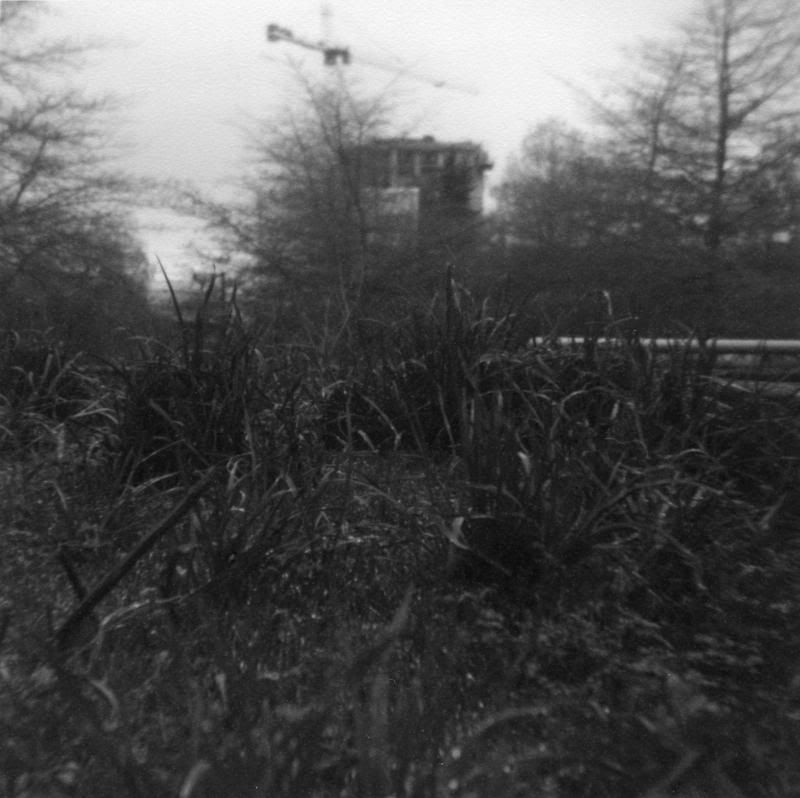
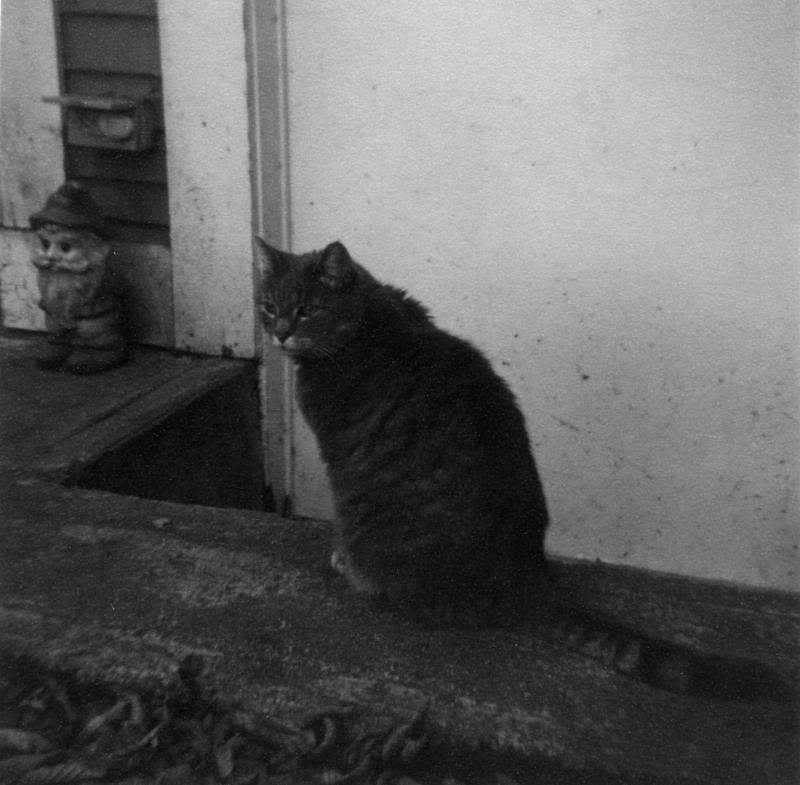
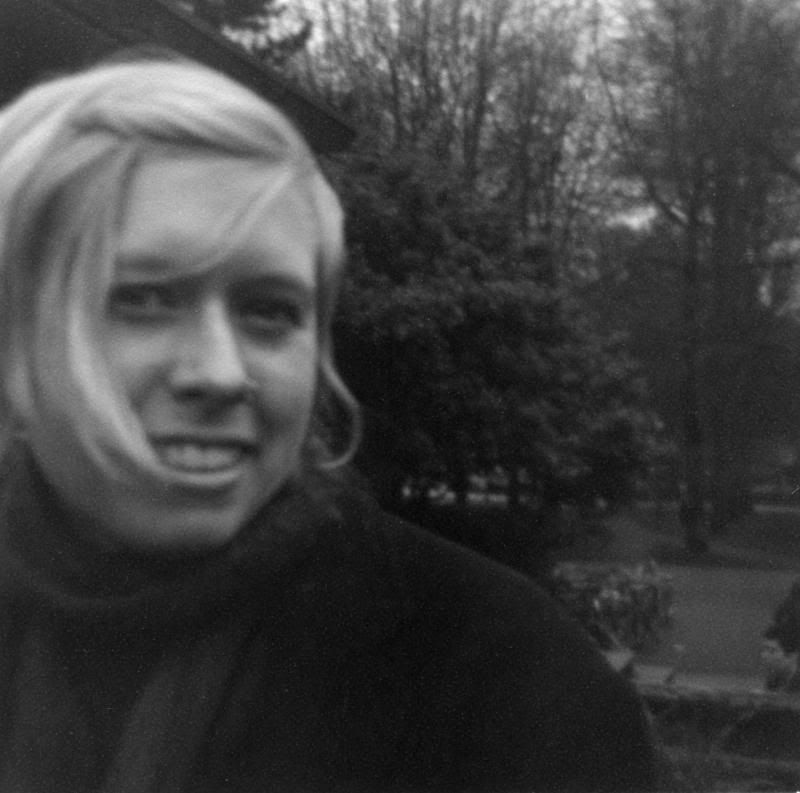
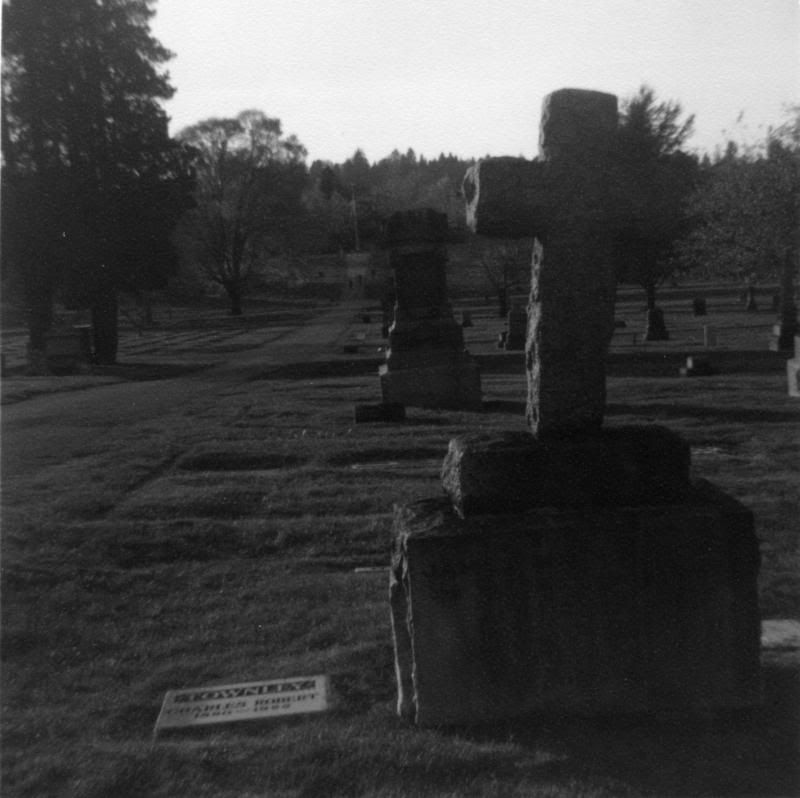
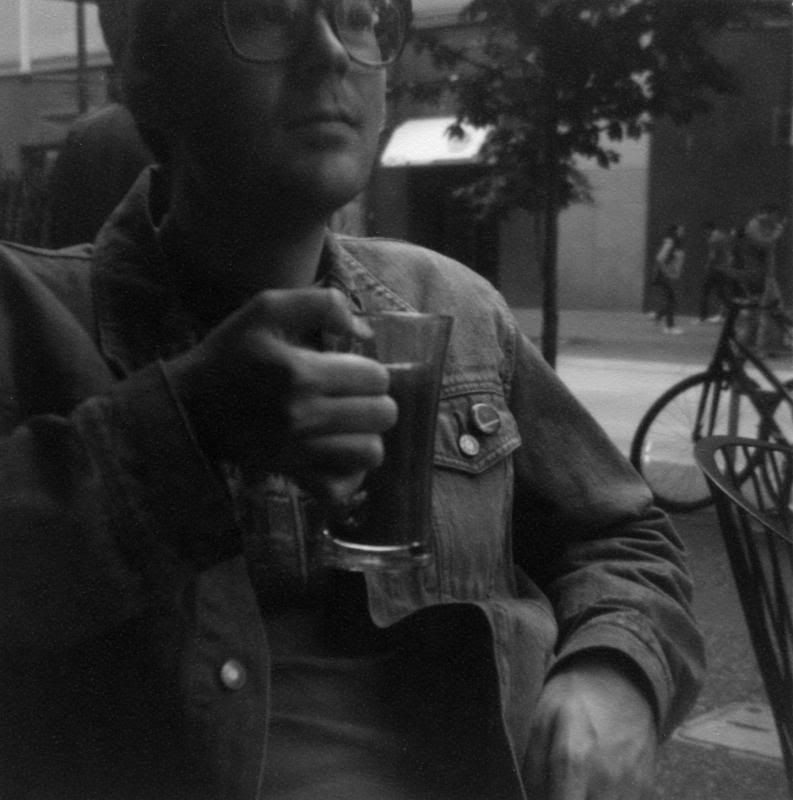
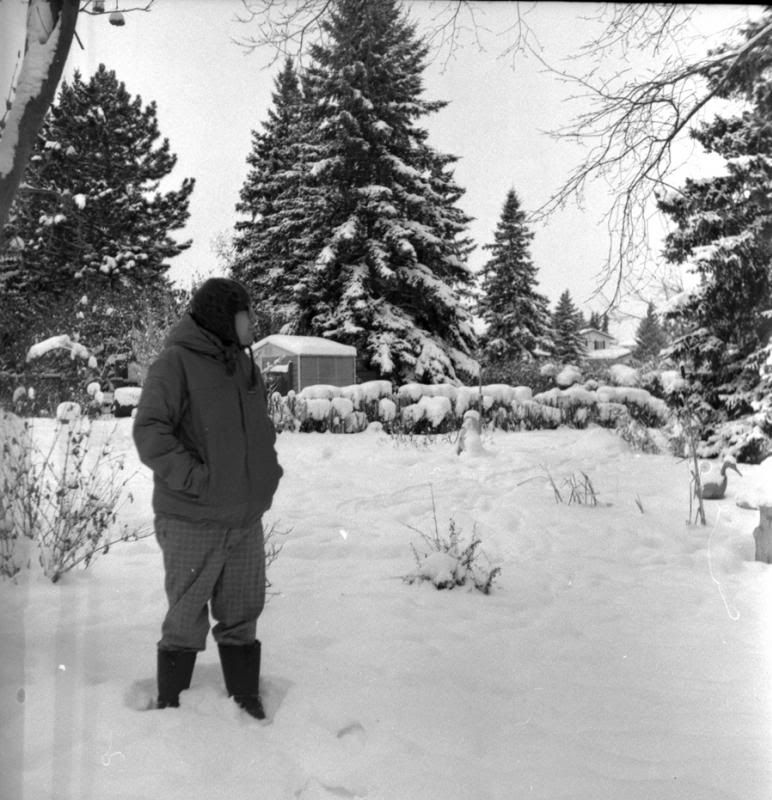
About a year ago I loaded my dad's Ansco Lancer with some Efke R100 B&W 127 format film I got from Blue Moon Camera in Portland, OR. My original idea was to take some amazing photos, get them processed and framed and give them to him as a Christmas present. However, the processing and mailing back and forth of the film took a lot longer than I originally thought it would. And it was way more expensive. And most of the photos didn't turn out as well as I wanted them to.

Moral of the story: it's probably better to develop film yourself if it's a specialty format and you don't want to spend a lot of money.

The germ of the idea still resonates with me, even though my plan totally failed in every conceivable way.

There's something poetic about taking photos with old cameras that were intensely loved at one time. Since I don't make a lot of money, all the cameras I've collected have been gifts or heavily used. They're not worth as much as a mint model, but I don't mind. They've got more energy attached to them.

And I gotta say, even though my venture with my dad's camera was such an epic failure, my heart fluttered when I looked at my prints for the first time. Even though the photos are not that technically impressive, they have a texture of affection that some of my other photos are lacking. Just the fact that the Lancer's little unimpressive lens captured the feeling in the air on that autumn week is really magical to me.


29.4.13

home lab

So this is delayed, like, really really delayed. Sorry for the big gap between posts, as always. I still haven't sent out my wedding thankyous yet if it's any consolation!

Over Christmas I got to spend some time with my photographer dad, which is always enlightening and wonderful, but it was an extra special time because he showed me how to develop black and white film at home. It was extra extra special because I brought my Yashica TLR with me which takes 127 film, so I got to test a camera that I hadn't before, and I developed film for free that I would otherwise have to ship off and spend a lot of money to get processed. All good things.

My dad had taken a course several years earlier so he had some handouts with some basic instructions on how to develop black and white film. If anyone would benefit from having this information, please let me know because I would be happy to write up some brief instructions. That being said, it's probably all over the internet.

Here are the results:

double exposure, baby!

I've adjusted the contrast a bit, so these aren't a totally raw representation. Also, there's a bit of glare from the scanner, which I will explain later, but the short version is the film was difficult to scan.

And my thoughts:

The contrast wasn't very strong on these photos. Next time I think I'll either underexpose the film and push the negative or try just agitating the solution more during development. I can't recall all the brands we used for chemicals but we definitely used Kodak TMAX developer. I've heard it's not the best but obviously I don't know what I'm doing and haven't developed tastes for different things yet. We did everything by the book without any experimentation.

The film used was Efke R100 127 film, which is no longer in production. Although 127 film is hard enough to come by and it's a loss for the film community for Efke to shut down its little factory, the film was very difficult to work with. It's extremely curly and was near impossible to scan, since we had to use the 120 size tray and it wouldn't lie flat (even after being pressed under some very heavy books overnight).

Other problems I had were my own doofyness (I messed up loading the film onto the reel so some of the film got bent and scratched) and the lack of a dust-free environment. You can probably see some of the dust and scratches on the examples here.

Anyhoodle, it was my first time and it was so much fun. There are so many advantages to developing your own film, especially when it's a weird format. I hope I can have a fully decked out dark room one day, but of course chemicals, film and even just space are getting harder and harder to come by. If you're in the Vancouver area I've seen all the goods at Leo's downtown on Granville, but I'm sure there are other sources.

But hopefully the resources to develop your own film will always be available because it's a really invaluable experience. Obviously the amount of control over your work is an asset, and I know you can do pretty much anything with a digital negative on Lightroom or Photoshop, but doing it with your own hands and really understanding what goes into developing film can only help you improve your work with film or with an entirely digital system. It will help you know what creative choices to make and why.

Happy Monday, happy Spring, everyone!
CWB

20.6.12

Film Rescue

Hello!

Today I received a delightful surprise in the mail today, from Indian Head, Saskatchewan. Since I haven't posted in a while, I thought this would be a good opportunity.

About a month and a half ago, I went to the Vancouver Camera Show and Swap Meet in Burnaby, where I bought a Canon 310XL for 20 bucks. Inside, unbeknownst to me at the time, was a little treasure: an exposed cartridge of Kodachrome 40!

I love looking at strangers' photographs, so finding the authentic, forgotten home film of someone else is a dream come true for me. However, the process for developing Kodachrome is dead as dead, so I wasn't sure where I could get my film developed. Fortunately the internet directed me to Film Rescue International, which not only specializes in developing old and forgotten films like mine, but is also based in Canada! Of course, with such poorly stored and long-expired film, there was no guarantee any image would be salvageable, and since the Kodachrome process is long gone, the film had to be processed in monochrome. But I'm way too curious to let that bother me.

So I mailed my cartridge away to Indian Head, whose name alone has a dreamy, mythical quality to it. What better place for a business that specializes in preserving and rescuing relics of the past than a town with a name with such weight behind it, in terms of the collective memory of Canada.

And today I finally got to see what my camera saw, god knows how long ago.

As expected, the film is foggy and it's difficult to see much of a picture. However, what is visible was well worth the wait: a wedding dress, an infant, a cake, and so many faces and smiles. And in the silhouettes, which are probably the result of an accidental underexposure, you can hardly see anything at all. However, the body language of the women speaks volumes. I love images like these because they remind me of what it means to be a person.

We are always holding on to our present, enjoying it, suffering it, or maybe just existing. Of course, as you know, these moments always slip away and become our memories, shaping us into the people we are, and the people we will be. Photographs are like magic, crystallizing a bit of these memories. For you, and for anyone else who might happen upon them...

Alec, my partner, to whom I am getting married in less than two months, watched this footage of a stranger's wedding and said, "They're like ghosts."

Here's the film.


xoxo
C.

23.5.12

Impossible Project


Hello! This week I'm not going to talk about a camera, but about some interesting and innovative film.

As you most likely know, Polaroid stopped making their instant film in 2008. Since then, with Polaroid's blessing, the Impossible Project has been working with Ilford Photo to bring the masses an instant film to keep Polaroid culture alive.

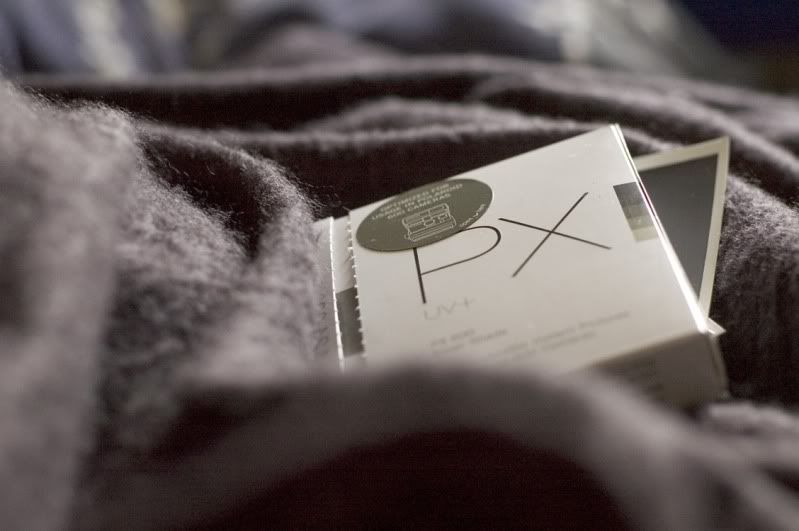
After attending the Vancouver camera show, I finally had a chance to test my Sun 640 with some Impossible Project film I bought from Camera Traders. There are a number of monochromatic and colour films available for both the 600 and SX-70 series Polaroid cameras, but the type I bought was the PX600 UV+.

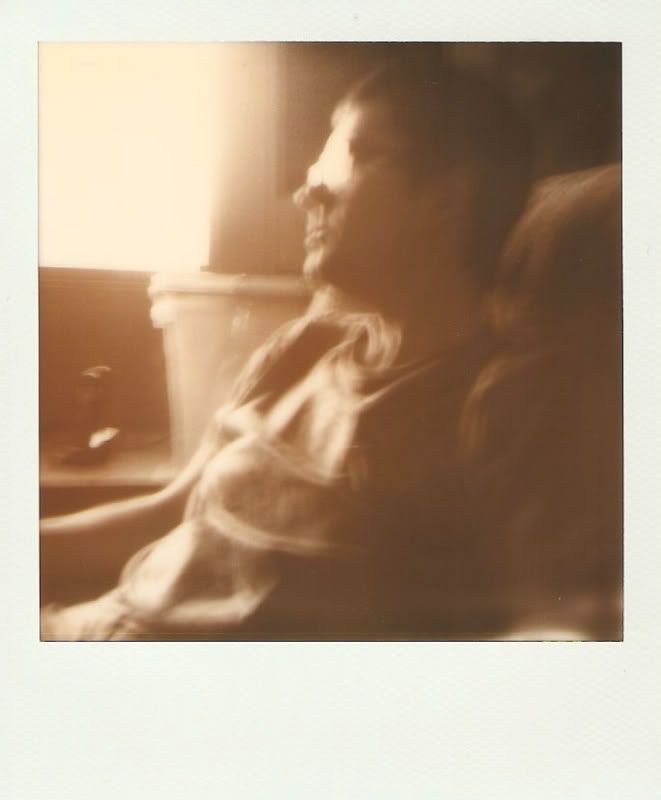
I've always loved the way Ilford film looks, and the same vibe comes through in this instant film. It's got lovely contrast but it still has pretty good latitude, picking up a lot of detail in the shadows. There is a warmness to the shades that has a lot of character.

Because this film is experimental and still in development (pun intended!) it has some quirks: the results are somewhat unpredictable and you must take care to protect your pictures from external forces. One of the main things is that you have to shade your photo right after it comes out of the camera, because it's still sensitive to light for a few minutes. You are also supposed to let the photo develop face-down, so shake, shake, shaking like a Polaroid picture is not really in vogue any more. 

Anyway, I hope this is somewhat educational, although all this information is widely available. If you want my opinion (and why wouldn't you?) it's definitely worth the dollars to pick up a pack of this film and experiment. It's not cheap (at $29 a pack, that's over $3 per shot) so it's a bit of a risk... but what the hell, life is short. The most important thing is that there are hundreds of cameras that were saved from the brink of obsolescence, and now they can be more than just another dusty piece of history.

ps, you can buy Impossible Project film at Photojojo and Urban Outfitters, as well as at many smaller, local photography businesses such as the aforementioned Camera Traders in Victoria and Blue Moon in Portland.

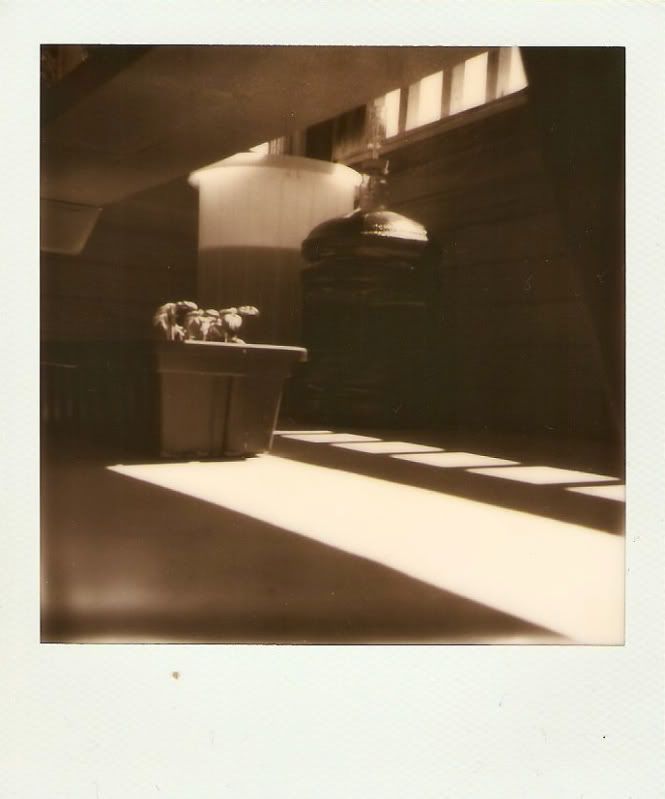
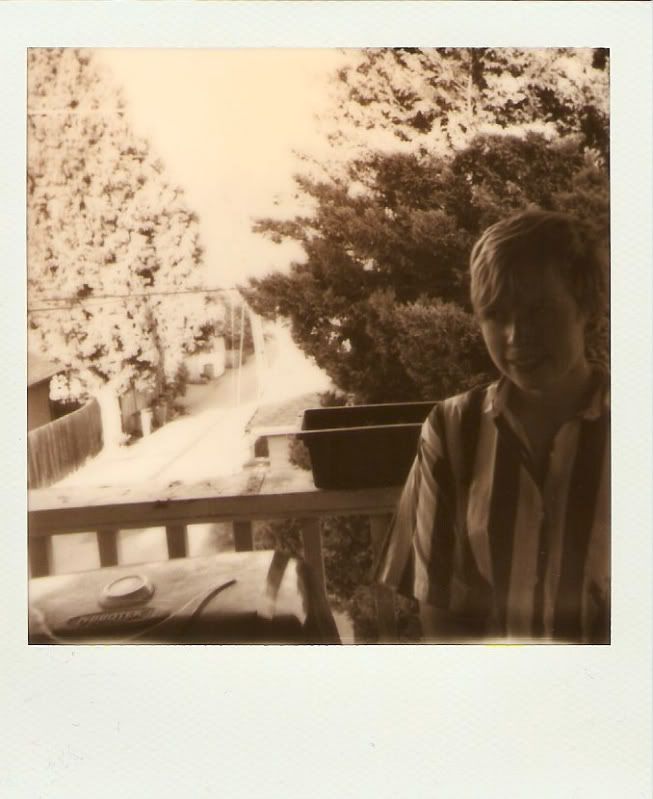
Here are some samples, taken with my Sun 640.


hugs and kisses,
C.